


Hiking Safety Essentials
Find hiking safety essentials for preparing for time on the trail, with a practical selection of gear and accessories to support planning, awareness and peace of mind outdoors.
Outdoor Travel Bags
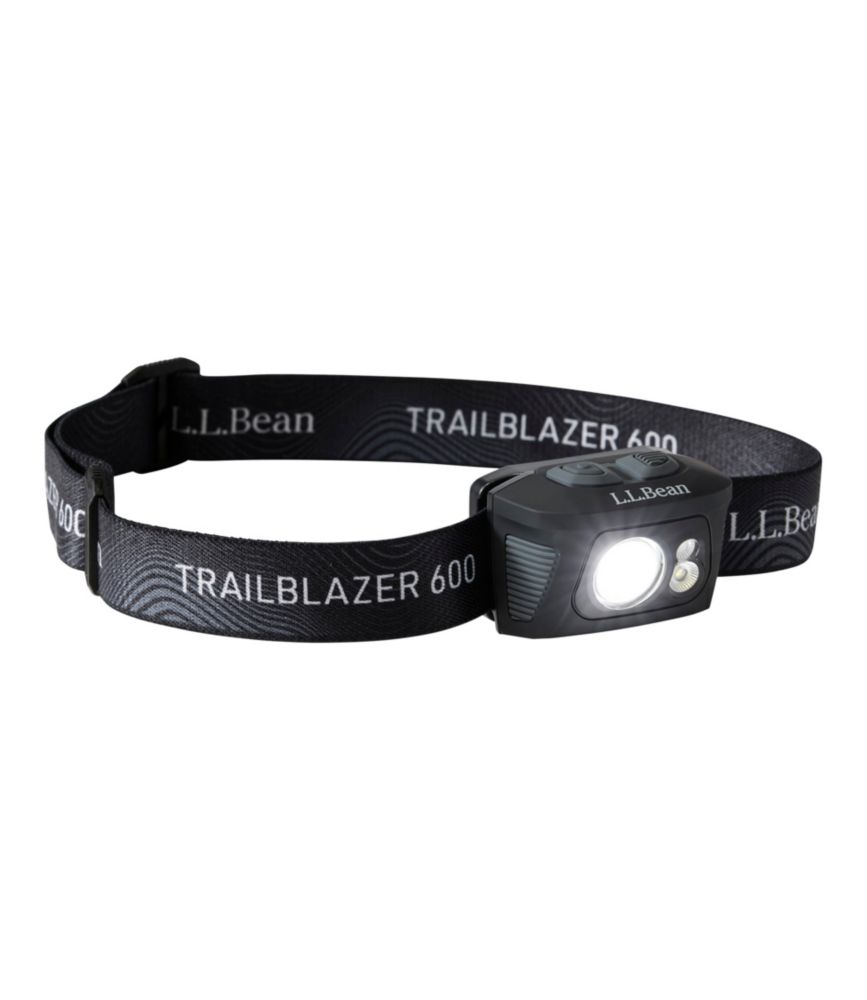
Outdoor travel bags are an important part of any hiking safety plan because they help keep essential gear organized, accessible and comfortable to carry. Choose a hiking backpack or daypack with enough capacity for the length of your trip, along with comfortable shoulder straps, a supportive back panel and secure pockets for items you may need quickly. Pack a map and compass or GPS device, fully charged phone, portable power bank, first-aid kit, headlamp, extra food, water, sun protection, rain gear and an insulating layer. For day hikes, a compact daypack can hold the basics without unnecessary bulk, while a larger backpack may be more practical for overnight hiking and backcountry travel. Organization matters as much as capacity when selecting outdoor travel bags for hiking. Keep navigation tools, snacks, water, a whistle and emergency supplies in exterior or top-access pockets, and store clothing and other less frequently used items in the main compartment. A hydration-compatible hiking backpack can make it easier to drink regularly, while adjustable straps help keep the load close to your body as you move over uneven ground. Before leaving, check that zippers, buckles and closures are secure, distribute heavier items near the center of the pack, and tell someone your route and expected return time. The right hiking daypack or backpack helps you carry the safety essentials you need while keeping your attention on the trail.
Popular Items
FAQs
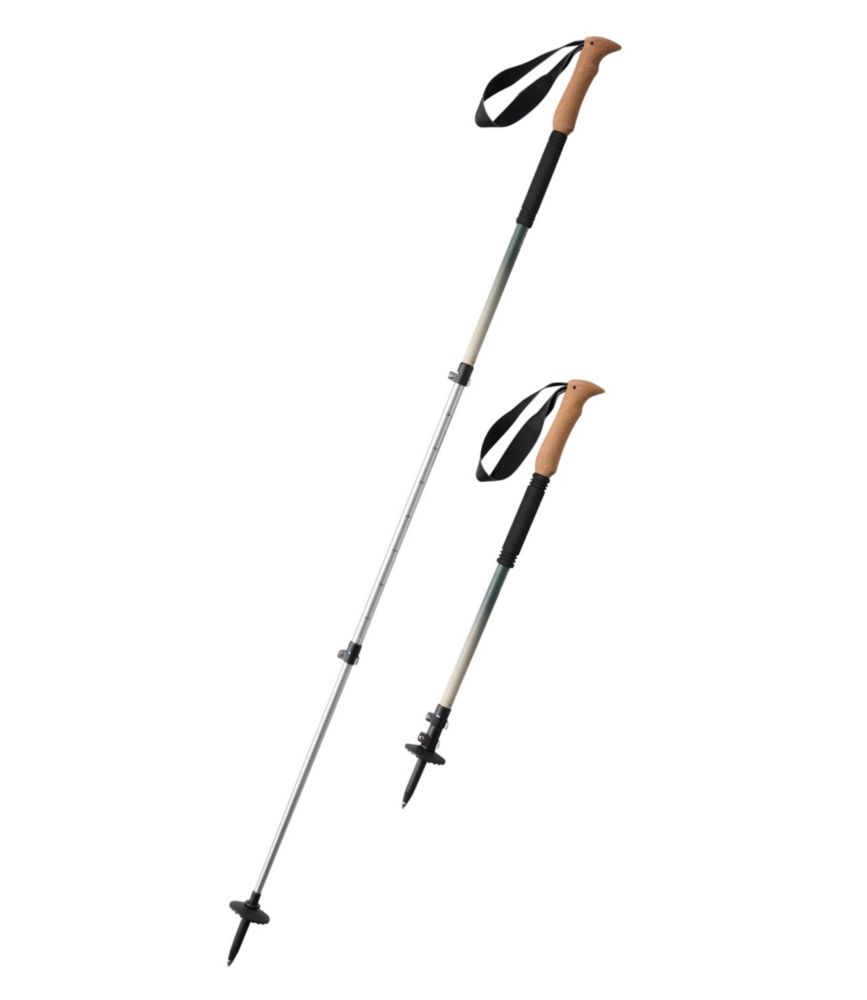
Hiking essentials may include daypacks, trekking poles, hydration gear, headlamps, navigation tools, first-aid supplies and other useful outdoor accessories.
For a day hike, consider carrying water, food, extra layers, navigation tools, a headlamp, a first-aid kit and weather-appropriate accessories.
Place frequently used items where they are easy to reach, keep heavier gear close to your back and store smaller accessories in pockets or compartments.
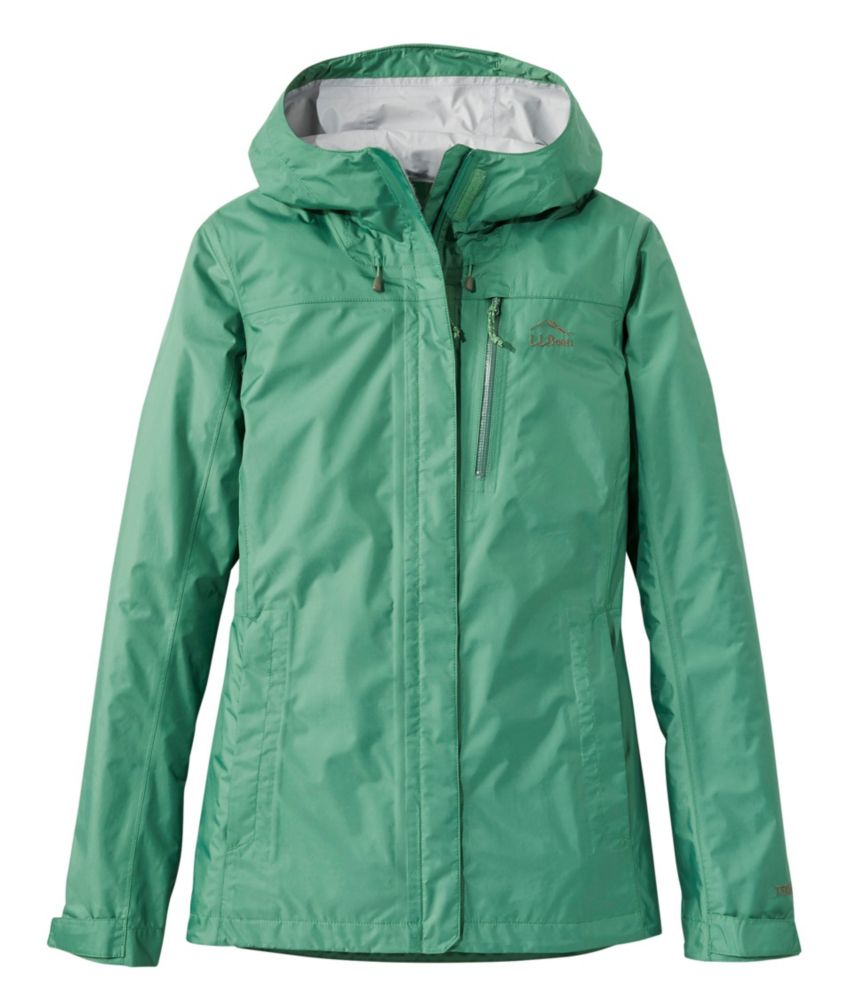
Useful choices include extra layers, rain gear, a hat, gloves and a pack cover, depending on the forecast and trail conditions.
Clean dirt and moisture from gear, follow the care instructions for each item and store everything in a cool, dry place before your next outing.