


Hiking Essentials For Beginners
Hiking essentials for beginners should make it easier to prepare for time on the trail. Explore a considered selection of clothing, footwear, packs and outdoor gear to help you choose the basics for your next hike, whether you’re just getting started or building out your kit.
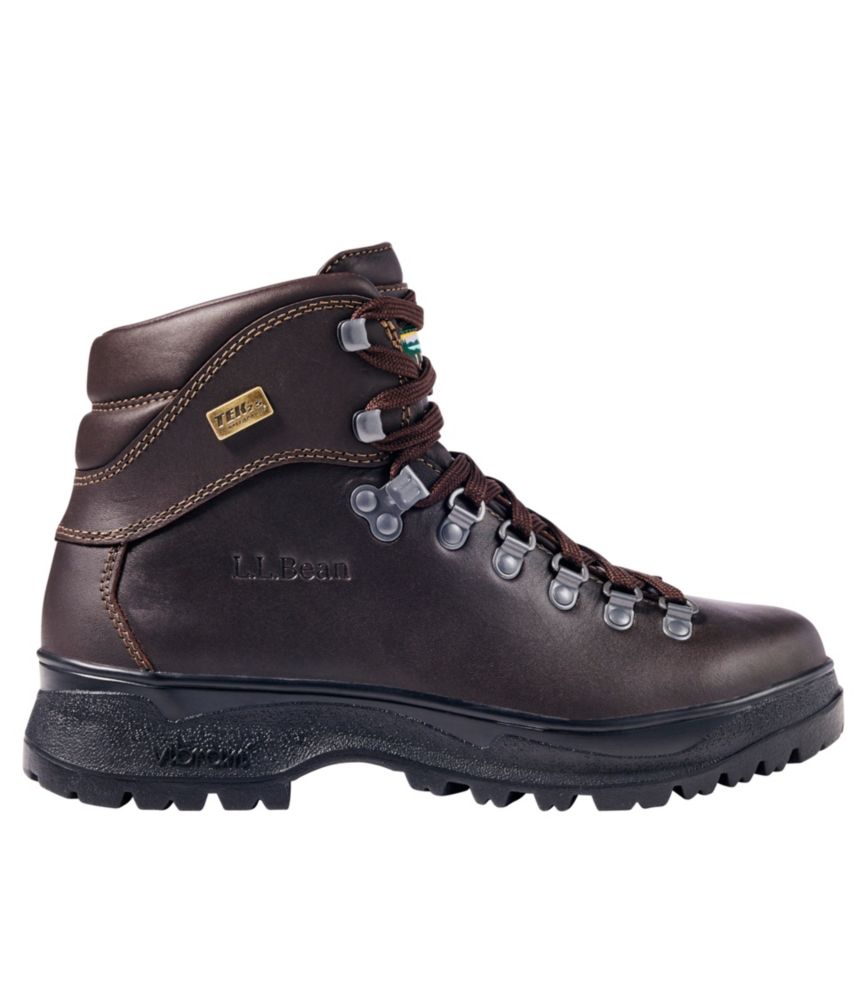
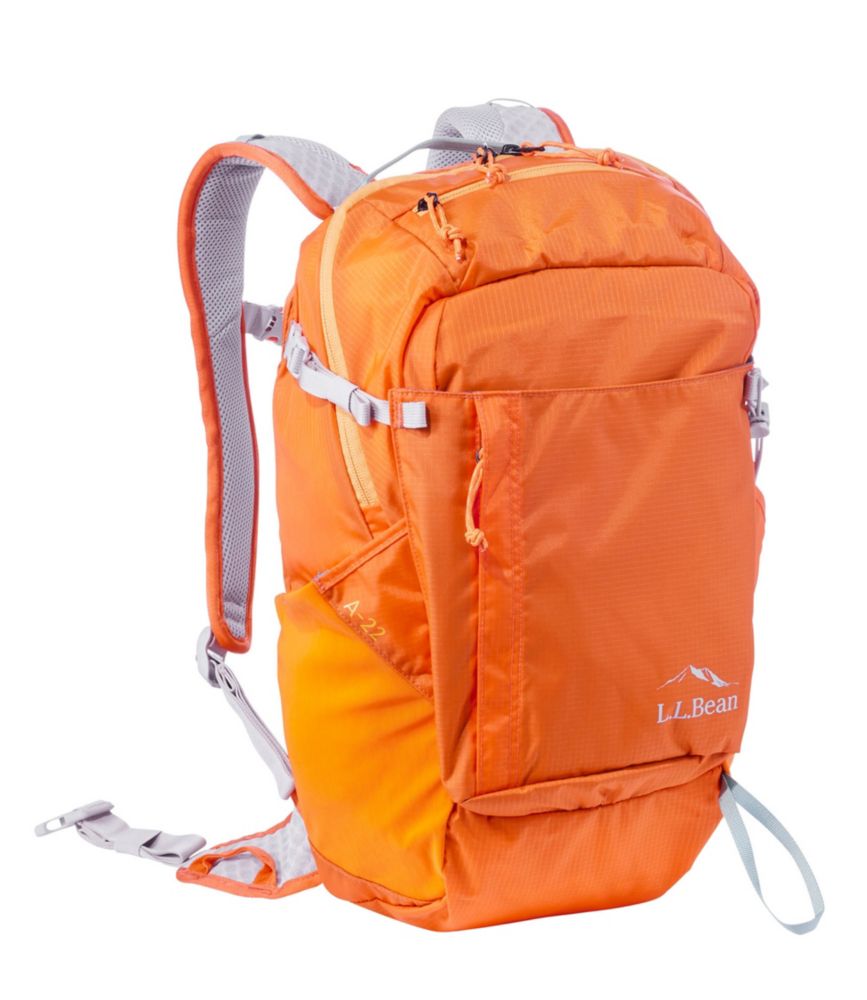
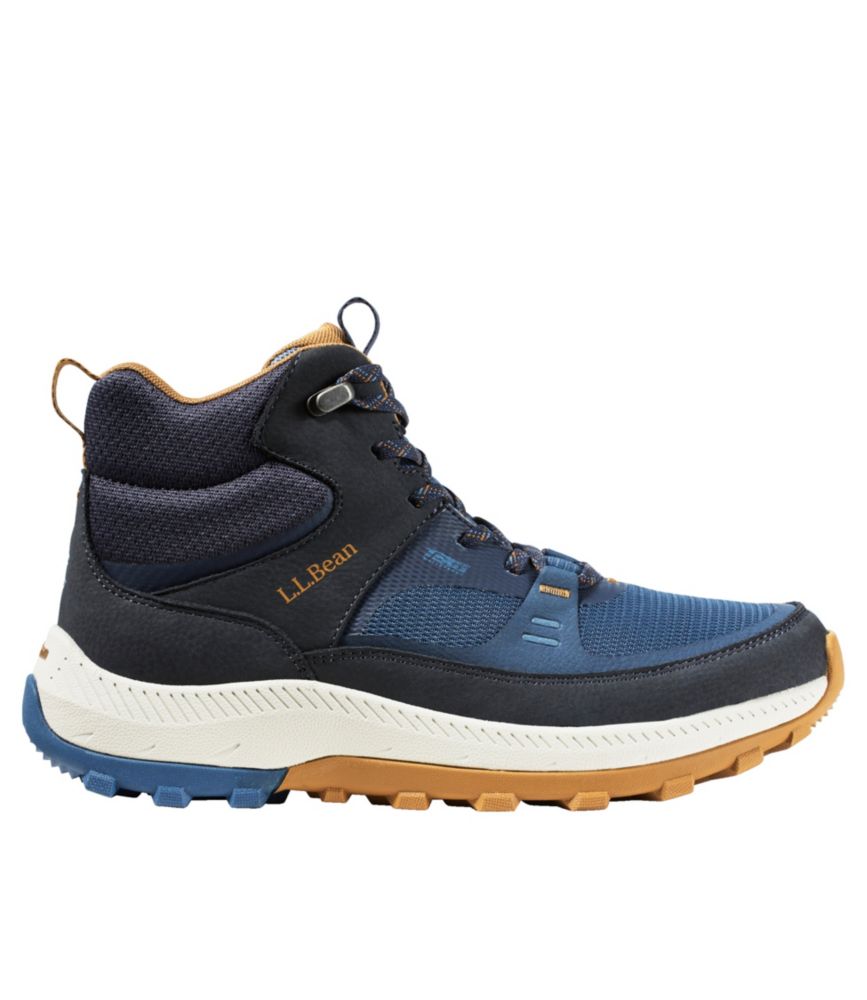
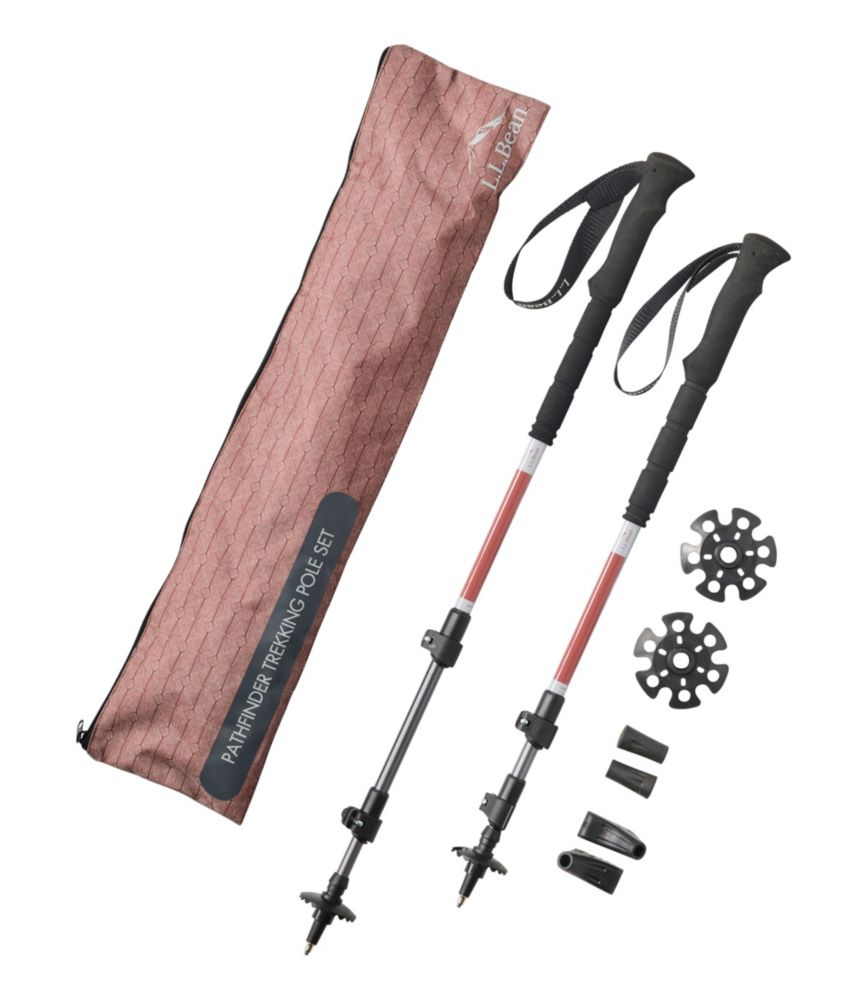
Outdoor Travel Bags
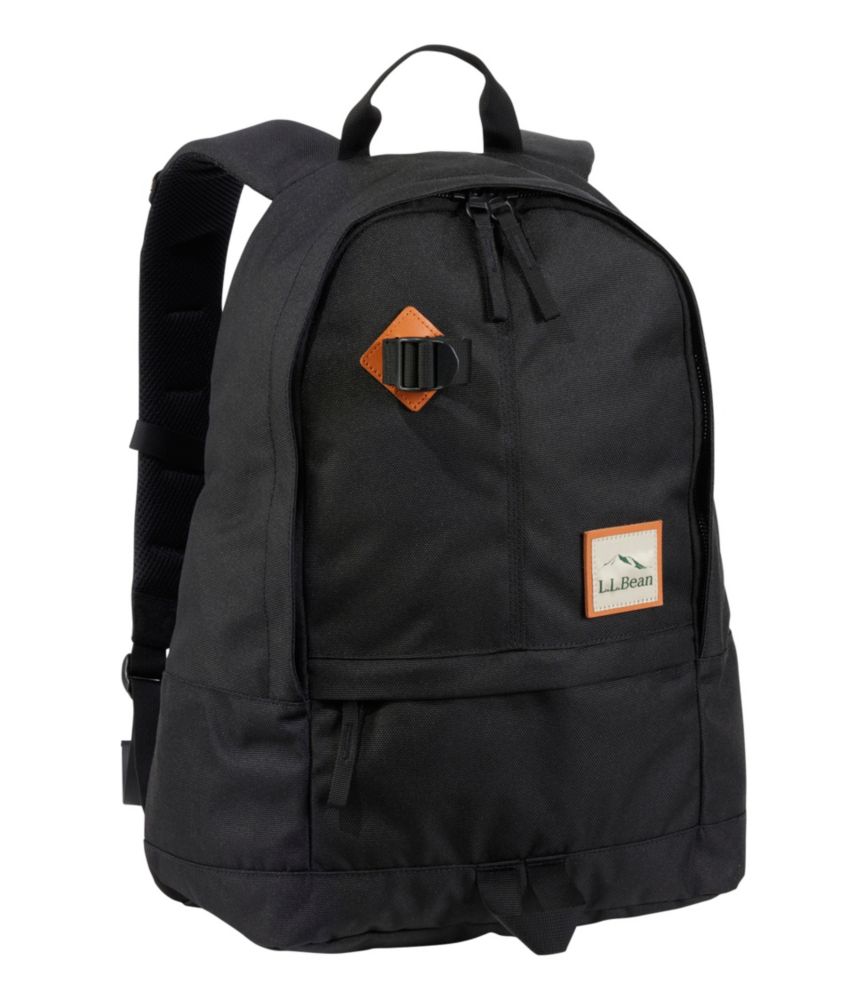
Outdoor travel bags are a practical part of any beginner hiking checklist, helping you organize water, snacks, extra layers, navigation tools and personal essentials in one convenient carryall. For day hikes, look for a hiking backpack with enough room for the gear you plan to bring without adding unnecessary bulk. Helpful details may include adjustable shoulder straps, multiple compartments, exterior pockets and easy-access storage for items you reach for often. A well-organized outdoor bag makes it easier to prepare for changing trail conditions and enjoy more time outside. The best hiking bag for beginners depends on the length of the trip, the amount of gear you carry and how you prefer to pack. A small daypack can suit short walks and local trails, while a larger outdoor travel bag may be useful for longer hikes, overnight outings or trips that require extra clothing and food. Before heading out, distribute heavier items close to your back, keep essentials accessible and leave room for anything you may need to carry on the return trip. With the right hiking backpack, packing becomes simpler and exploring new trails feels more manageable.
Popular Items
FAQs
Start with comfortable clothing, hiking footwear, a daypack, water, snacks, and a few practical extras such as a hat and extra layer. Choose items that suit the trail, weather, and length of your hike.
Wear comfortable clothing that allows easy movement, supportive hiking footwear, and layers you can add or remove as conditions change. A hat and extra layer can be useful for changing weather.
Pack water, snacks, an extra layer, a hat, personal essentials, and any items needed for the trail and expected conditions. Keep the contents organized so frequently used items are easy to reach.
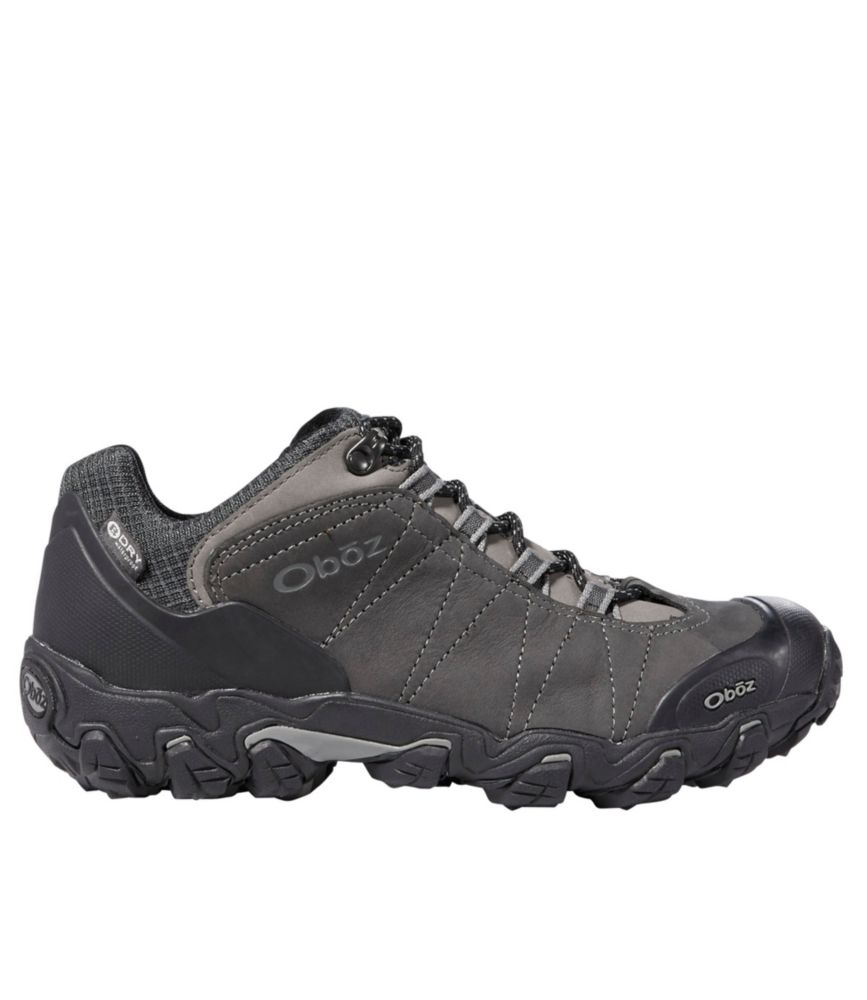
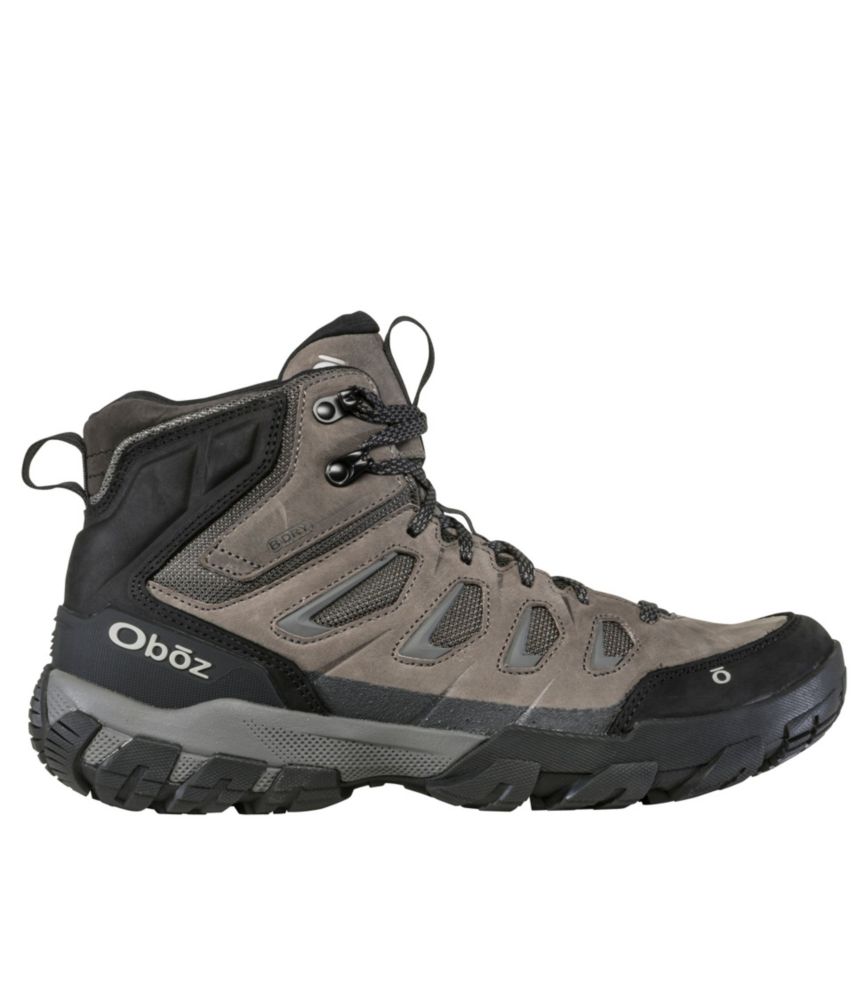
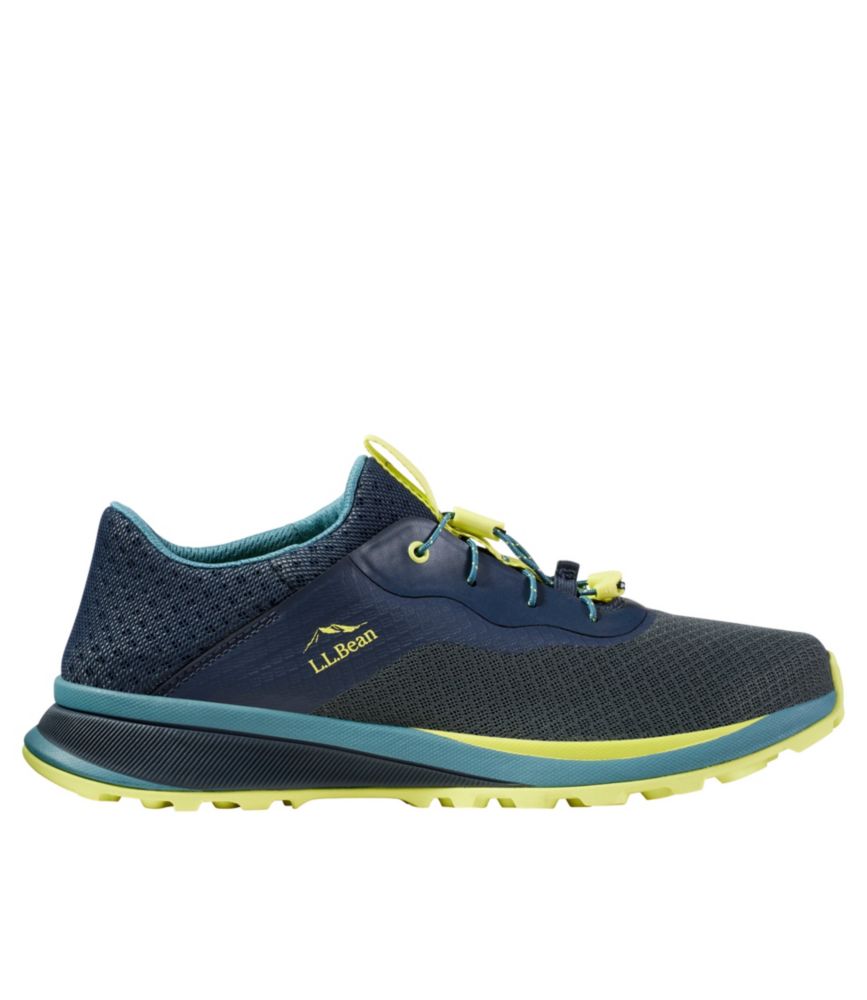
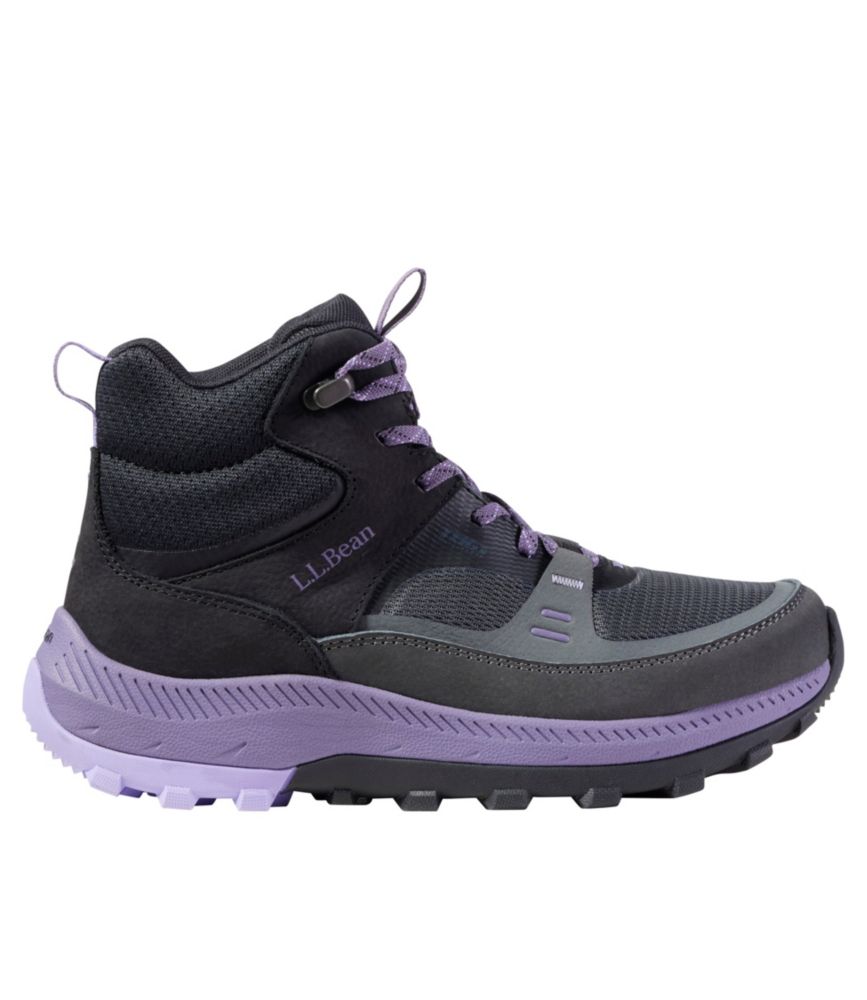
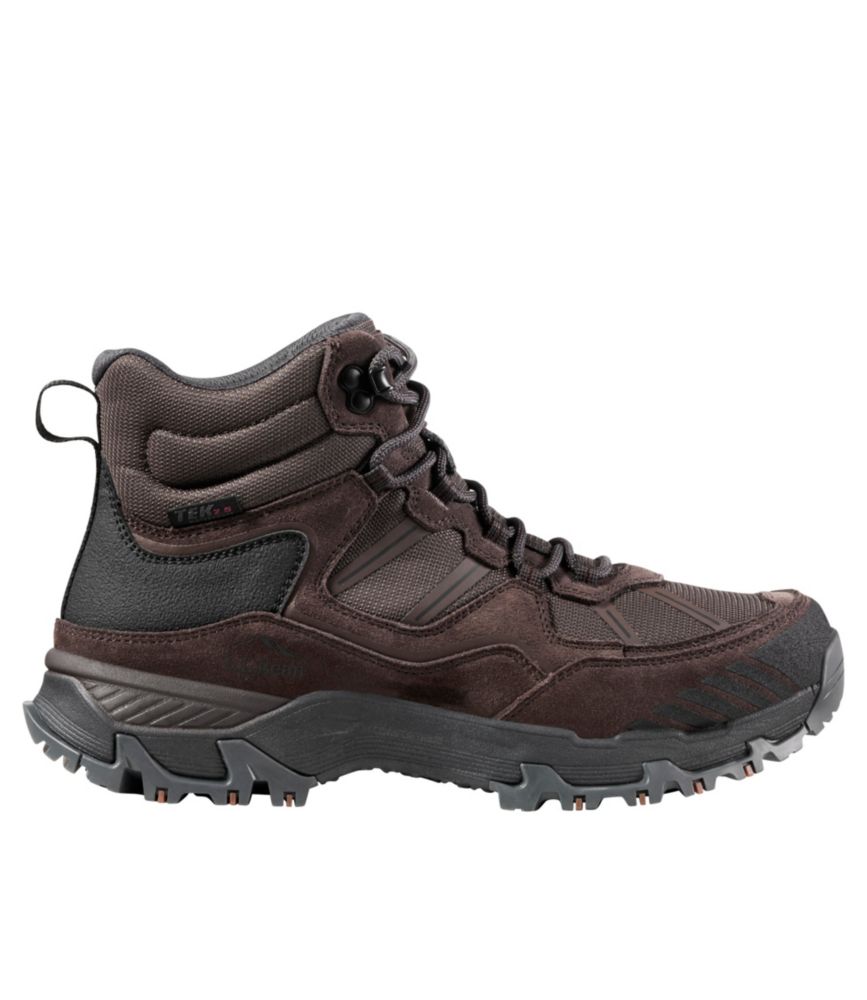
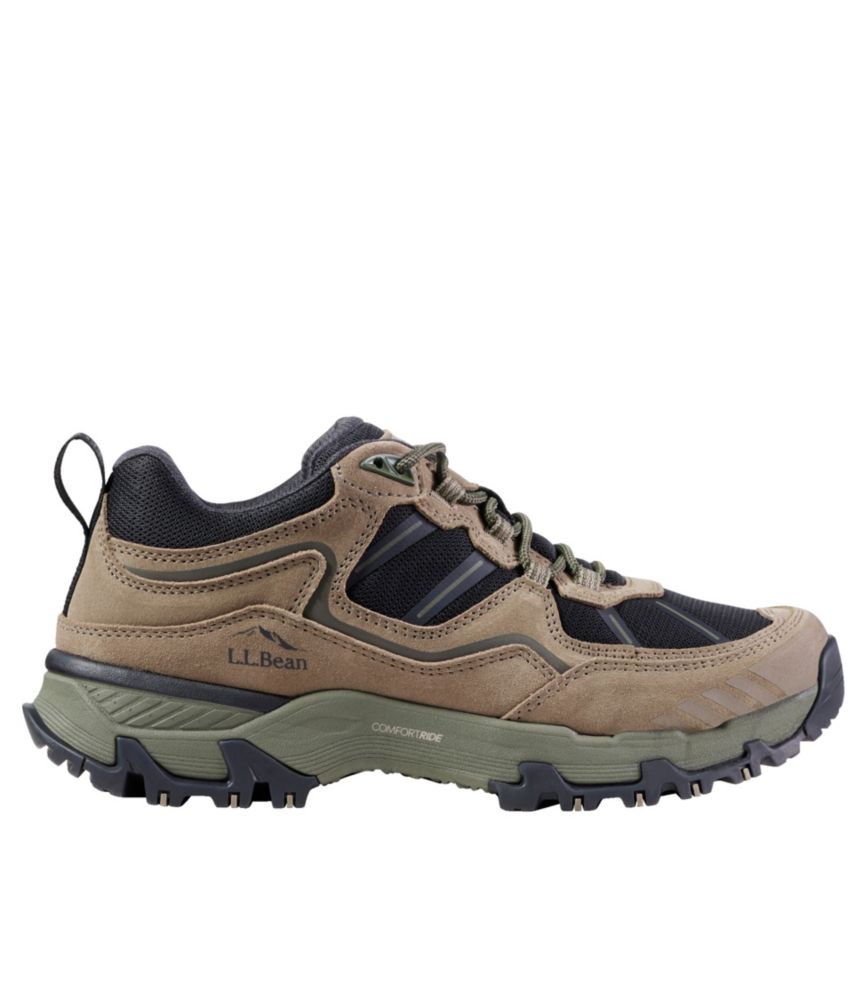
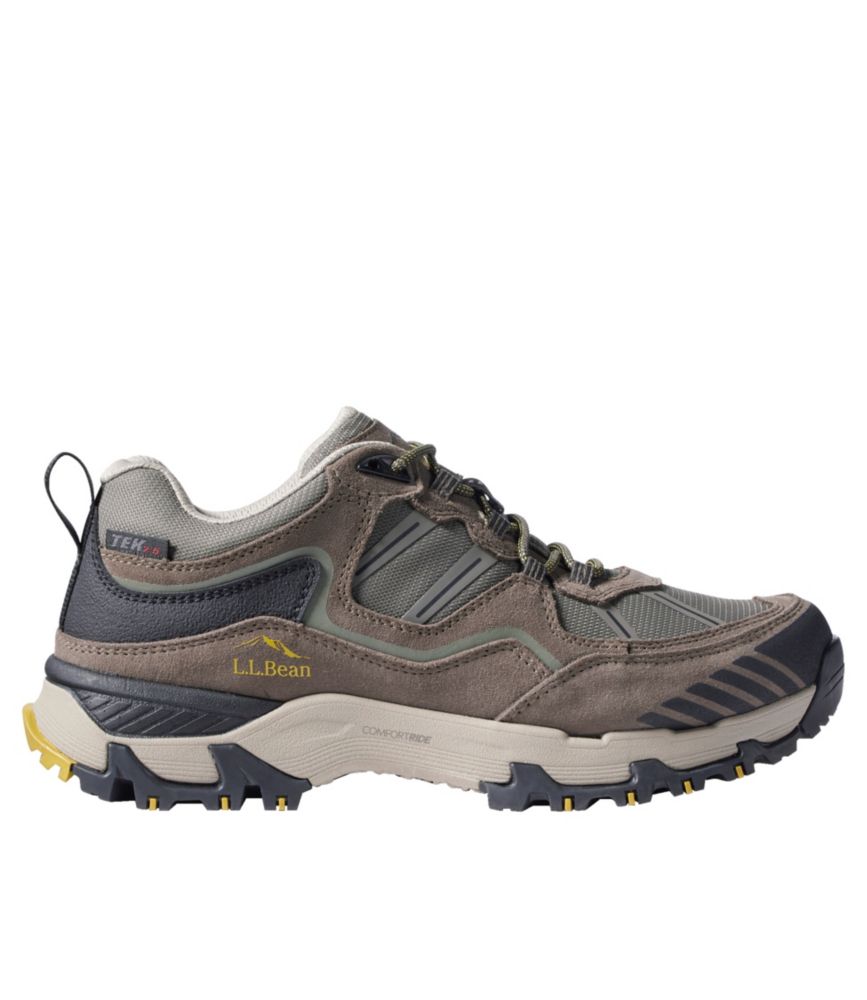
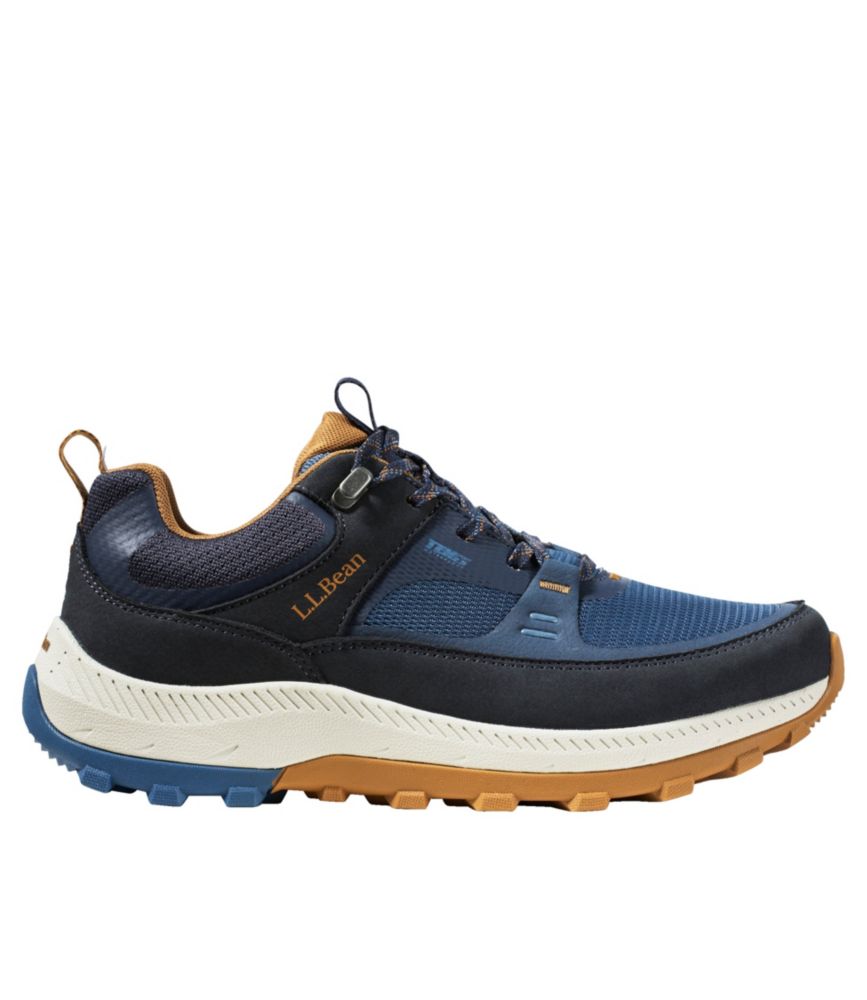
Choose hiking footwear that feels comfortable and provides a secure fit for the terrain you plan to cover. Low-cut shoes work well for many shorter hikes, while boots offer more coverage for varied trails.
Check the route and forecast, choose clothing and footwear for the conditions, and pack enough water, food, and layers for the outing. Plan an itinerary that matches your available time and experience.